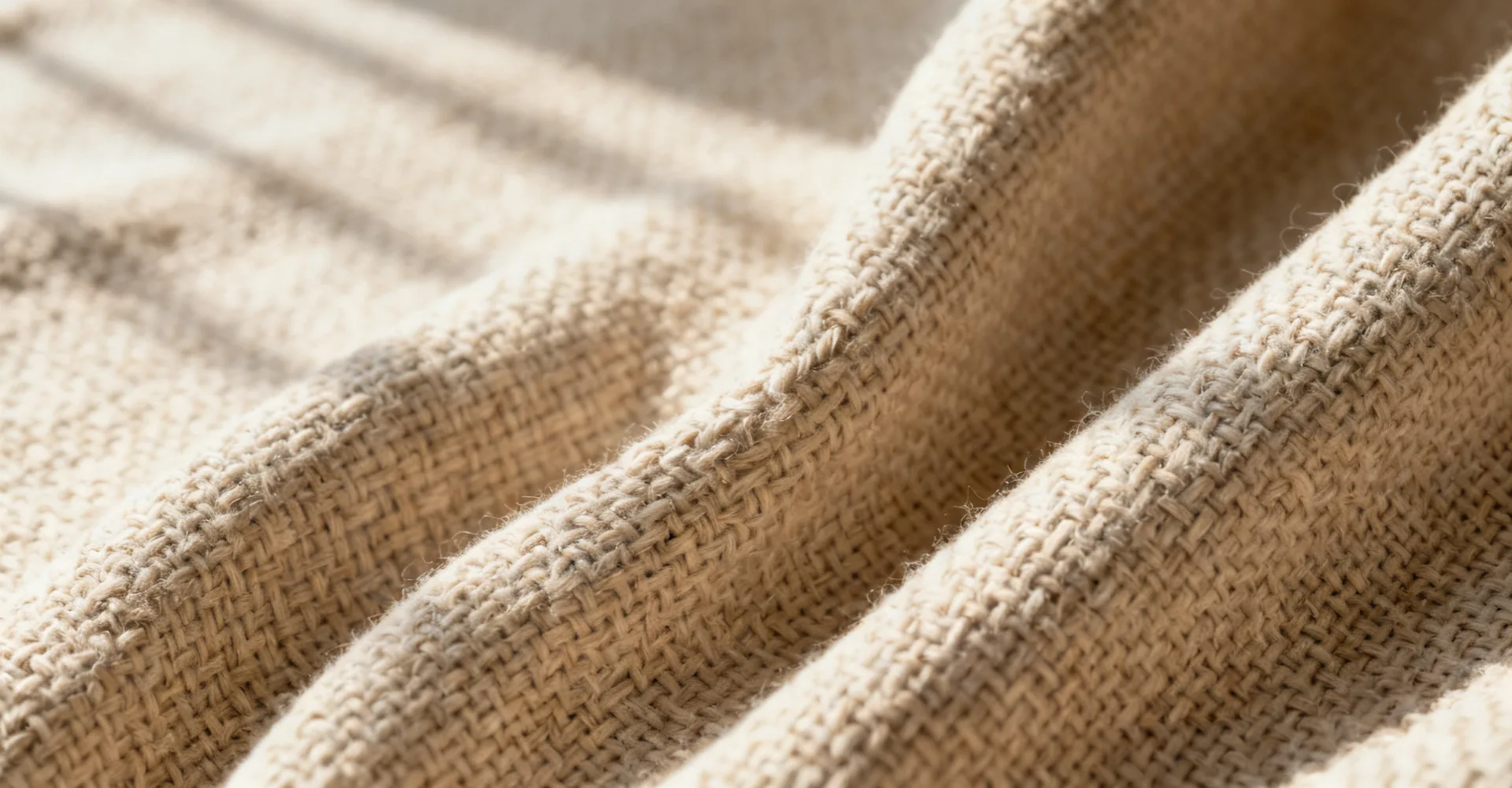
full-frame soft raking light across an unbranded woven upholstery cloth

Fabric. Scope. Next step.

Welspun — A focused conversation about home textile cloth

View material scope

Composition · GSM · Usable width · Finish

Material scope

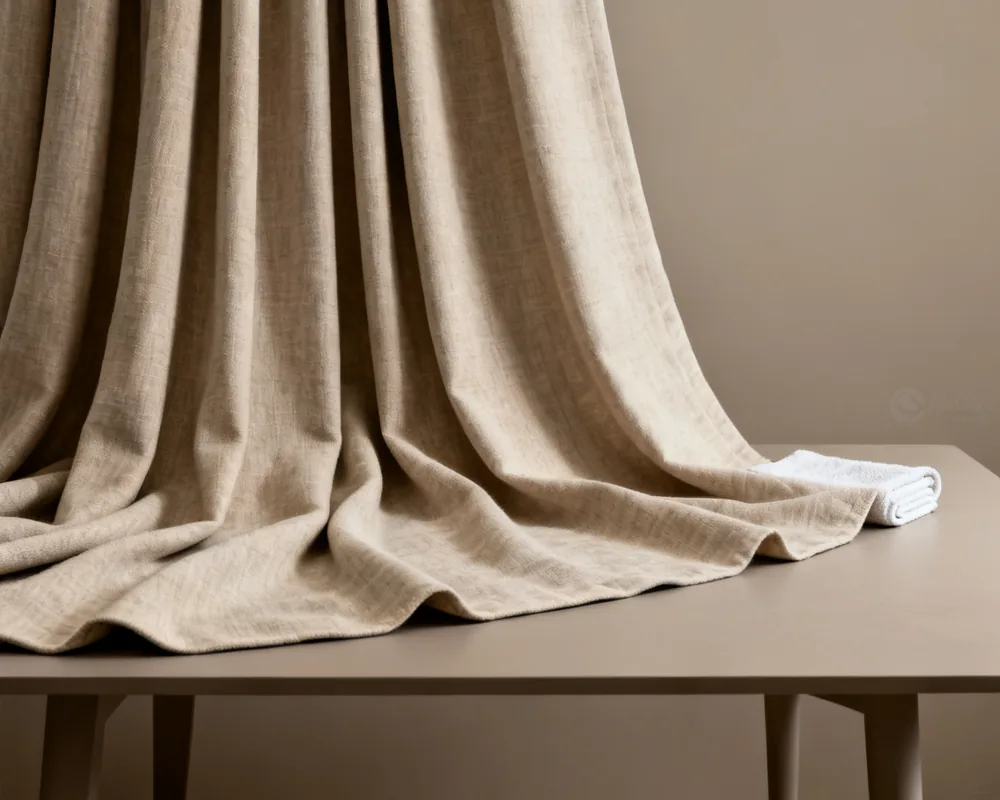
large unbranded drape of interior upholstery and drapery cloth

Compare the home textile route

  1. Identify fibre blend and weave or knit construction.
  2. Confirm GSM and the cuttable width after selvedge.
  3. Record finish, shade reference and the interior use.
Browse materials
Composition
Name the fibre blend before comparing handle.
Width
Separate cuttable cloth from the selvedge.
Sample
Keep a dated shade and handle reference.
Open the technical checklist

These fields frame a home textile brief. They are not measured values for a named lot.

Fields to agree; no product performance is implied
Field Target question Evidence question
Composition Which fibres, and in what share, belong in this upholstery or drapery cloth? Which declaration covers this construction rather than a neighbouring quality?
GSM What mass per square metre, with what tolerance, fits the end use? A seating cover might be written as 340 g/m² ±5%. A lighter drapery panel might be written as 180 g/m². Those lines are buyer targets, not measured Welspun values. Was the specimen conditioned, and which method was used? ISO 139 asks for conditioning near 20 °C and 65% relative humidity before many textile tests.
Usable width How much of the cloth can actually be cut for the panel or cover? A 142 cm usable width after 1.5 cm of selvedge on each side is not the same figure as a 145 cm overall width. Is the figure a roll agreement or a single swatch measurement?
Finish What surface treatment, backing or wash is part of the cloth being discussed? Does the sample still show that finish, and how should durability be read?

Match the application

Fabric selection questions

Why is GSM not enough?

Two interior cloths can share a nominal mass and still differ in yarn, float, backing and the way a cover or panel hangs. Cloths near 340 g/m² can still use a different warp and weft. Read construction and finish beside the grams.

How should I describe a sample?

State the fibre reference, weave or knit, usable width and whether the cloth is for seating, cushions or window panels. Add the shade standard and the finish you expect to see.

Can test results be compared directly?

Only when method, specimen state and scope match. Abrasion resistance under ISO 12947 and colourfastness under ISO 105-C06 answer different questions. A number from one report does not travel to another construction.

Have a fabric reference?

Share the home textile cloth and the interior use you are checking.

Discuss your fabric requirements